Choosing Between Experiential Gourmet Hampers vs Physical Goods: A Modern Guide to Gifting
When the occasion calls for a gift, the sheer volume of options can feel like trying to navigate an airport terminal during rush hour—overwhelming! In the world of thoughtful giving, two distinct trends have emerged: tangible physical goods and curated experiences. For those curating high-end gifts, understanding the difference between sending a box full of fancy snacks (the classic hamper) and gifting an activity or memory can be challenging. This guide will delve into the nuances of experiential gourmet hampers vs physical goods, helping you decide which approach truly resonates with the recipient and elevates your thoughtful gesture from merely nice to genuinely unforgettable.
The Enduring Appeal of Tangible Luxury Goods
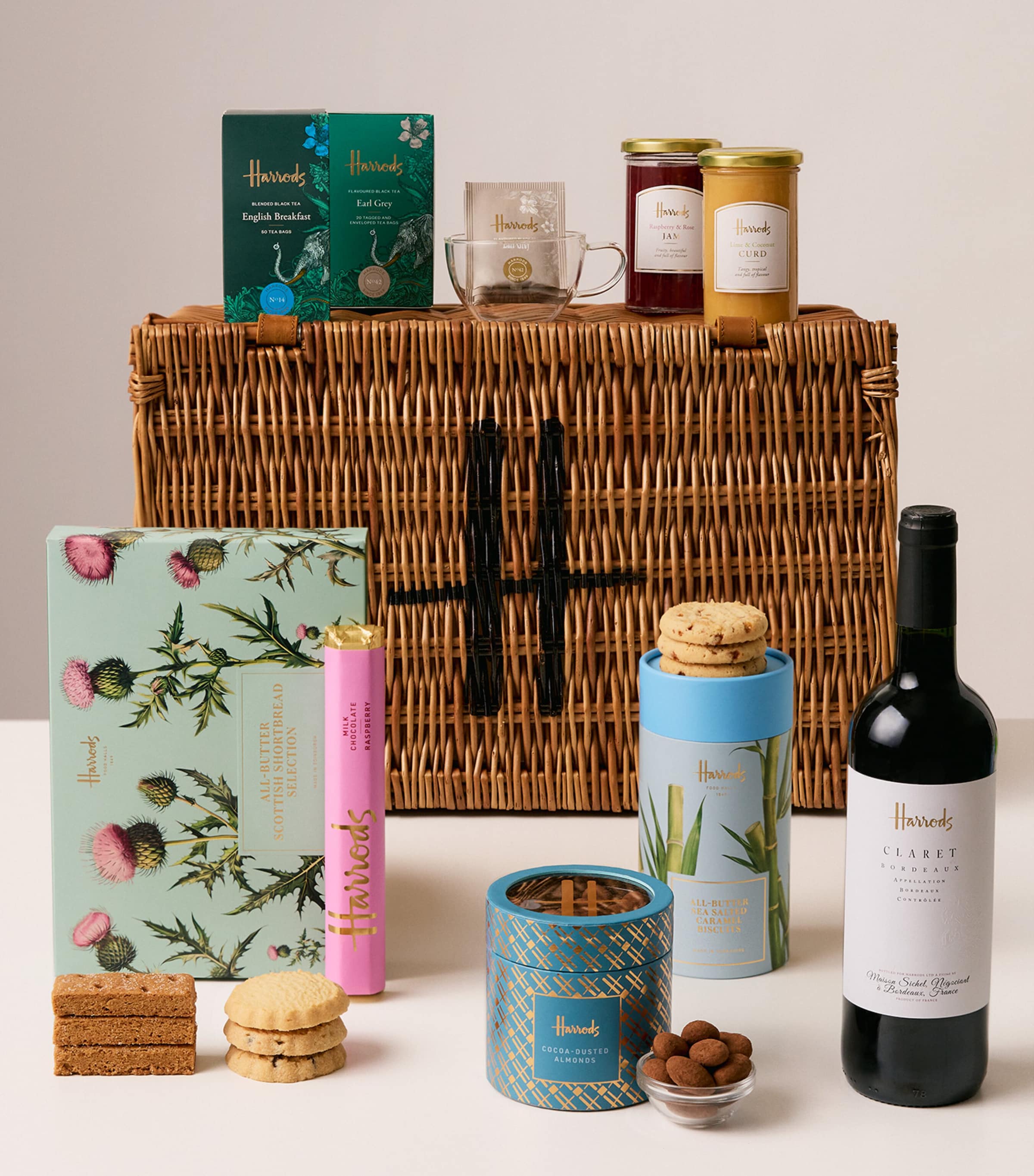
Physical gifts have always been the bedrock of gifting culture. There is an inherent comfort in receiving something solid, beautiful, and meant to last—a piece of art, a high-quality gadget, or yes, a delicious array of gourmet items. These traditional goods offer immediate gratification and visible value. When we think of classic hampers, we are thinking about exquisite curated collections: artisanal cheeses paired with crusty bread, hand-rolled chocolates nestled alongside miniature bottles of fine wine.
The Joy of the Tangible Keepsake
The biggest draw of physical goods is that they serve as a lasting memento. Unlike an experience that fades into memory (though memories are precious!), a physical gift provides something tangible to look at, use, or display. It’s a miniature monument to your thoughtfulness. For instance, choosing a beautifully crafted ceramic piece ensures that the recipient has a reminder of you long after the initial excitement wears off.
- Visibility: The gift is always visible, serving as a constant, if subtle, reminder.
- Practicality: Many physical goods—from skincare items to kitchen gadgets—are inherently functional and used daily.
- Curatorial Control: Hampers allow the giver total control over presentation, making the unboxing itself part of the gift.
However, relying solely on things that can be bought in a department store has its drawbacks. Sometimes, receiving more stuff just leads to drawer overflow—a problem we might call "the curse of excess." Are we really giving joy, or are we just giving objects? It’s a question worth pondering as you choose your gift.
Redefining Gifting: The Rise of Experiential Hampers
If physical goods speak the language of ownership, experiential gifts speak the language of memory. An "experiential gourmet hamper" is not merely a box of snacks; it is often designed to facilitate an activity or Corporate Gifts immerse the recipient in a specific sensory journey. Think less "stuff you own," and more "moment you live."
Beyond the Basket: What Makes an Experience Special?
An experiential approach shifts the focus from the object itself to the process of enjoying it. Instead of just receiving truffle oil, the gift might include the oil paired with a recipe card and instructions for a virtual cooking class. This elevates the simple act of eating into an event. It’s a powerful shift in perspective.
Experiential hampers are like opening Pandora's box—not scary, but excitingly full of potential moments. They often contain elements that require interaction:
- Instructional Materials: Recipes, guides, or playlist suggestions.
- Access Codes: Tickets to an online masterclass or local event.
- Complementary Items: Not just the main object, but tools needed to use it (e.g., a wine opener paired with tasting notes).
As one renowned gift curator noted, "The best gifts don't fill space; they fill time." This philosophy perfectly encapsulates the value proposition of experiences.
The Power of Shared Moments
One major benefit of experiential gifting is that it often encourages connection. Whether the recipient uses the hamper alone (a perfect night in) or shares the activity with friends and family, the memory becomes collective. It transforms a solitary gift into a bonding opportunity. For example, a "local brewery tasting experience" hamper doesn't just contain beer; it facilitates a date night outing that Cookies tastes like adventure.
Navigating the Choice: Experiential Gourmet Hampers vs Physical Goods
Ultimately, deciding between these two categories of gifting is less about which one is objectively better, and more about understanding the recipient’s current emotional needs or lifestyle stage. Are they someone who appreciates beautiful decor (lean physical goods)? Or are they someone who desperately needs a break from routine and craves adventure (lean experiential)?
When to Choose Physical Goods
Opt for traditional, high-quality physical goods when:
- The recipient genuinely loves collecting things (e.g., stationery, ceramics).
- They have expressed a need for practical upgrades or home improvements.
- You are aiming for a gift that serves as a permanent keepsake, regardless of the activity.
When to Choose Experiential Hampers
Lean into the experiential approach when:
- The recipient is stressed and needs a break from their daily routine.
- They value memories over material possessions (the modern minimalist).
- You want to gift joy and conversation rather than just objects (and remember, sometimes the best thing you can give someone is time itself!).
Consider this anecdote: I once gave a colleague a hamper focused on an "Italian pasta-making experience" rather than just sending high-end dry pasta. The difference was night and day; she didn't just cook dinner that night, she celebrated the meal with her family, which is far more valuable than any amount of flour could buy.
Tailoring Your Gift Strategy for Maximum Impact
To make your selection count, think about the emotional impact you want to leave behind. A physical gift says, "I thought you would like this." An experiential hamper says, "I want you to feel something wonderful." This subtle shift in messaging can entirely change the perceived value of the item.

The key is alignment. If the recipient's life is already overflowing with beautiful objects, a beautifully curated experiential gourmet hampers vs physical goods focus will resonate far more deeply than another exquisite trinket. What better way to make a lasting impression than by giving them permission to pause and truly enjoy themselves?
By understanding that both methods of gifting have profound emotional currencies—one measured in permanence, the other in moment—you can confidently choose the path that best serves your relationship and honors the recipient’s unique taste. The perfect gift is always the one that speaks directly to their soul's desires.